

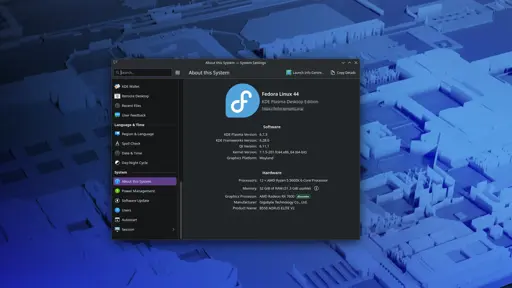
Two years into full-time Linux and I’m finally burning the distro-hopping cycle. I fell for the Arch/AUR trap for a while, but I got tired of spending my weekends debugging file manager crashes instead of maintaining my home lab.
Switched back to Fedora, and it’s boring in exactly the way I need it to be. It’s a stable launchpad for my projects, not the project itself.
Yes ! I don’t get why debian always seems to be forgotten outside of its server use. I have been running it for 2 years now (homelab, laptop and desktop).
Beyond none of its branches actually satisfying my preferences, I feel like the way it handles major version upgrades is way too involved. I suppose it makes sense; it’s paying back the accumulated debt of a couple years worth of bliss…
Having said that, my experience on Fedora Atomic is (almost) equally blissful without requiring any of that whenever a major version update strikes.
Don’t get me wrong; I definitely do believe Debian has its uses on desktop Linux. But I can’t shake off the feeling that they’re definitely more niche compared to say Fedora.
The upgrade issue is exactly why I don’t like Debian-based distros for my desktop
I love Debian, I use it as a desktop and it’s installed on all my machines, but it has some problems/quirks that make it hard to recommend it for desktop usage.
First one is that it doesn’t have sensible defaults, the OS expects a user who is an admin, one who will configure things to their liking. I would consider this to be a feature, if it weren’t for the second problem, the documentation. The documentation is wayy too dated, lots of pages in the wiki haven’t been updated since Debian Buster days!
A better recommendation would be probably a Debian derivative like MX Linux. They are more opinionated, but as far as I know, they come with better defaults and offer newer guides, documentation, etc.
Removed by mod
Debian is nice & boring, but I have had issues with how old its kernel and software versions are. 6.12 isn’t too bad for Trixie, but previously it was really terrible. When I was running Bookworm, I ran into plenty of situations where software I was compiling or getting from outside the repos (for niche software), wasn’t backwards compatible to the library versions Debian provided.
No hate for Debian, but it just doesn’t work for a lot of people. However, these days I would go for Debian over Ubuntu 10 times out of 10.
That is a release engineering issue on the developers side in my opinion though no less real. Developers targeting Linux should target the current version of big LTS releases like debian and Redhat enterprise if they are serious about compatibility beyond “works on my system”
For the vast majority of computer users I’d says debian is fine since most users hardly step out of the browser these days.