
Everything got enshitified to increase shareholder value.
- 4 Posts
- 277 Comments
Joined 3 years ago
Cake day: June 12th, 2023
You are not logged in. If you use a Fediverse account that is able to follow users, you can follow this user.

 13·6 days ago
Give FreeTube a try.
No, just weird positional dyslexia

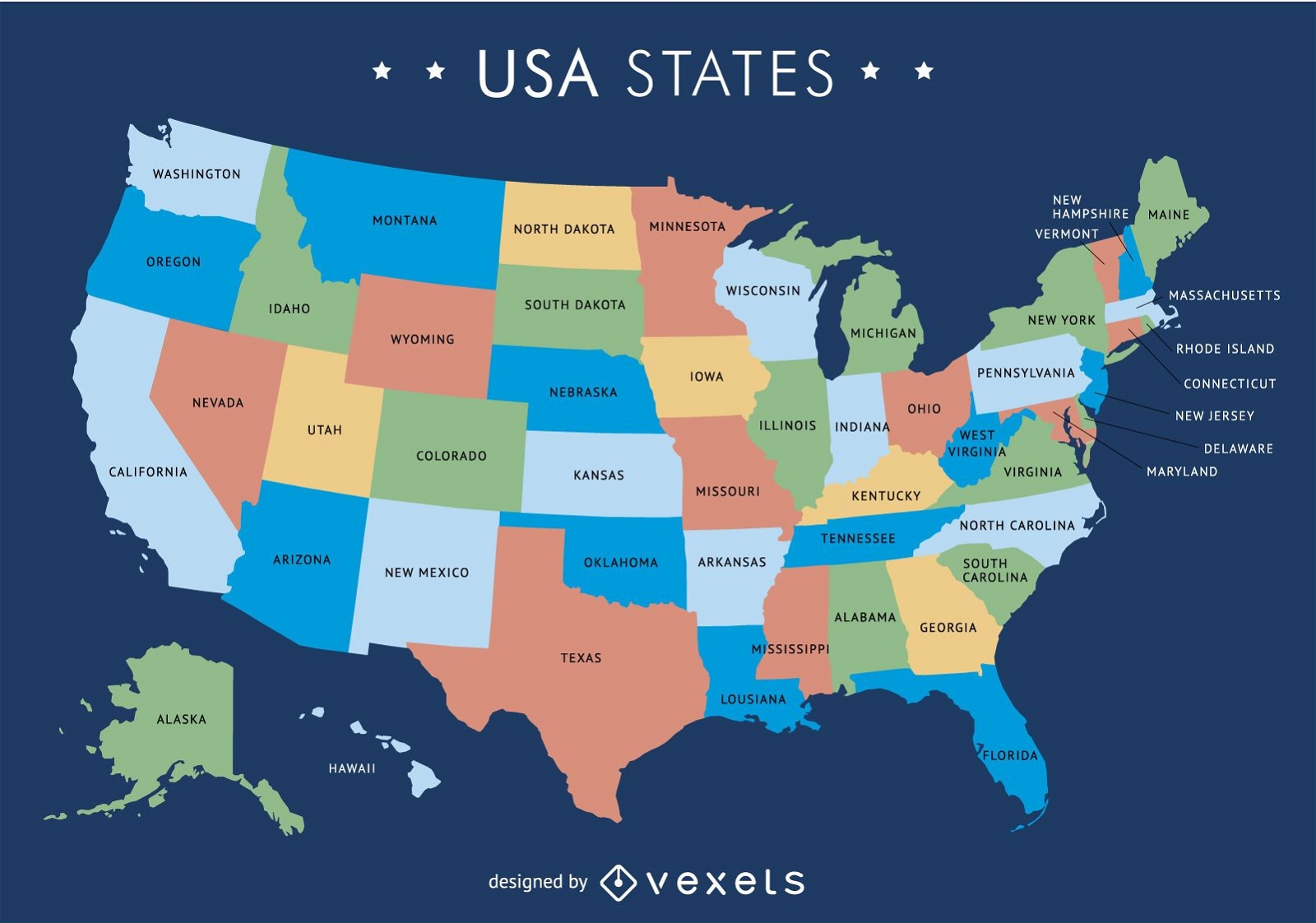
What are you talking about? Everyone knows Alaska is on the bottom right of the map.
The kids who sleep in these cabins are 10~13. The doors are 5’ tall.

You’d think so, but I was doing some work for a kids camp recently and the cabins had a bunch of cool S graffitis (all of them fresh from the last few years since the cabins were recently repainted).
We’ll talk when protestors in the US are hanging and burning police officers.
 965·11 days ago
Provide universal health care, low cost.of living to income ratio, free higher education, strong community building, and walkable cities.
 37·12 days ago
Why would a retailer turn down an additional resource that drives customers to their site.
Why would independent artisans be obligated to sell their products through Amazon?
Python is demonstrably worst for the planet than Go.
 6·12 days ago
You’re telling me the US had the capability to eliminate any of the worst ones in much more problematic countries and chose not to because there was no oil in it for them? That’s a grim thought.
The call was always coming from inside the house.
Press X for doubt… butif he truly doesn’t need the money and you provide for all his wants, you should tell him to put it in a 401k/RRSP/Whatever investment vehicle is available in your country, use the opportunity to teach him about compound interest and make sure he’s set for retirement. It’s crazy how little you need to invest if you do it that early.
e donates the money he earns to charity.
Is this his choice or yours?
 2·15 days ago
Absolutely. Simply use ACME with the DNS validation method. Using bind you’ll want to create keys and allow TXT access for those keys to the validation domains. Fear not, this isn’t exclusive to bind, ACME tools supports dozens of other backends. That’s all you need the actual domain doesn’t need to be resolvable with an A/CNAME record. Internally you can run an entirely different DNS server to resolve your hosts, use hosts files, or use bind zones.
Except it isn’t. Saying it is trivial is just gross generalization. It’s trivial to configure bind to have internal zones that aren’t resolvable publically. It all depends on configuration, such as reverse ns entries, zone accessibility, etc.
You can have (sub)domains that are listed in the certificate lists and yet aren’t resolvable externally as well.
It’d be better and more accurate say the list of certificates then.
Sub domains aren’t public unless your DNS server has XFER on.
Worth noting about this approach is that the global list of subdomains is publicly searchable.
Can you expand on this? What is it that you call the “global list of subdomains”?
 15·16 days ago
Use
yt-dlpto download the file and play it in MPV/VLC/Celluloid.
Not really though web seeding is a thing
I don’t think it’s legal in Quebec under provincial privacy laws.