Examples and Explanation of Diagonally Split Dual Hydraulic Braking Systems
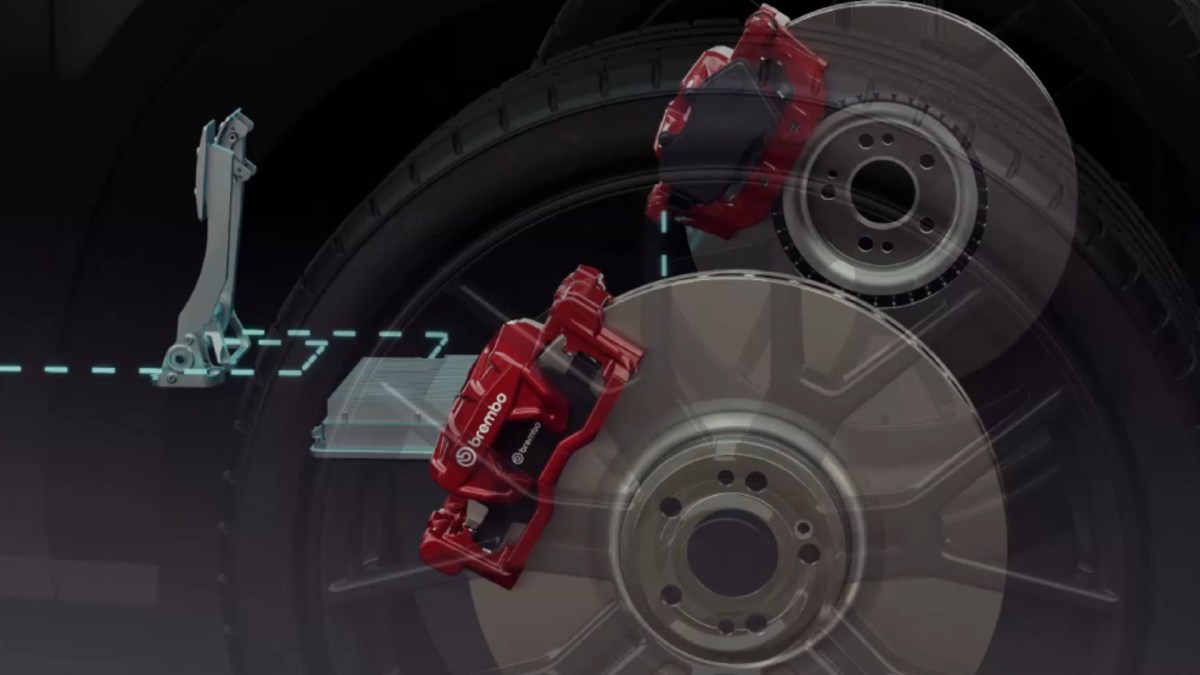
Diagonally arranged (or “diagonal-split”) dual hydraulic braking systems are the standard for most front-wheel-drive (FWD) vehicles. In this setup, one hydraulic circuit controls the front-right and rear-left wheels, while the second circuit handles the front-left and rear-right wheels.
This design is a safety feature: since front brakes provide about 70-80% of a car’s stopping power, a diagonal split ensures that if one circuit fails, you still have one functional front brake and the opposite rear brake to keep the car stable and stopping straight.
Examples of Cars Using Diagonal-Split Systems
Modern FWD Lineups: Most modern FWD cars use this by default. Specific examples include the SEAT Ibiza, Arona, Leon, and Ateca, as well as the majority of Ford’s FWD fleet.
Classic American Cars:
American Motors (AMC): One of the first U.S. adopters, starting in 1967.
General Motors (GM): Widely used in 1980s “X-body” cars like the Chevrolet Citation, Pontiac Phoenix, Oldsmobile Omega, and Buick Skylark, as well as the J-car and A-car platforms.
European Classics:
Saab: Notable in the Saab 96 (specifically the 1971 V4).
Classic Mini: Found on various versions produced between 1976 and 1980.
Other Notable Models:
Toyota Celica: Specifically the 1976 RA23 model.
Audi: Used in several historical models, including the Audi 5000.
In contrast, many Rear-Wheel-Drive (RWD) vehicles use a “front/rear” (black-and-white) split, where one circuit controls the entire front axle and the other controls the rear.


Examples and Explanation of Diagonally Split Dual Hydraulic Braking Systems
Diagonally arranged (or “diagonal-split”) dual hydraulic braking systems are the standard for most front-wheel-drive (FWD) vehicles. In this setup, one hydraulic circuit controls the front-right and rear-left wheels, while the second circuit handles the front-left and rear-right wheels.
This design is a safety feature: since front brakes provide about 70-80% of a car’s stopping power, a diagonal split ensures that if one circuit fails, you still have one functional front brake and the opposite rear brake to keep the car stable and stopping straight.
Examples of Cars Using Diagonal-Split Systems
In contrast, many Rear-Wheel-Drive (RWD) vehicles use a “front/rear” (black-and-white) split, where one circuit controls the entire front axle and the other controls the rear.